

Types of Hypertension: Primary vs Secondary Explained

High blood pressure also known as hypertension is one of the most common health conditions worldwide. Often called the “silent killer,” it usually shows no obvious symptoms but increases the risk of heart attack, stroke, kidney disease, and other serious complications.
Not all hypertension is the same. Doctors typically classify it into two main types: primary hypertension and secondary hypertension. Understanding the difference between these two is important for proper diagnosis, treatment, and prevention. In this blog, we’ll explain both types in simple terms, highlight their causes, and share tips on managing them effectively.
What is Hypertension?
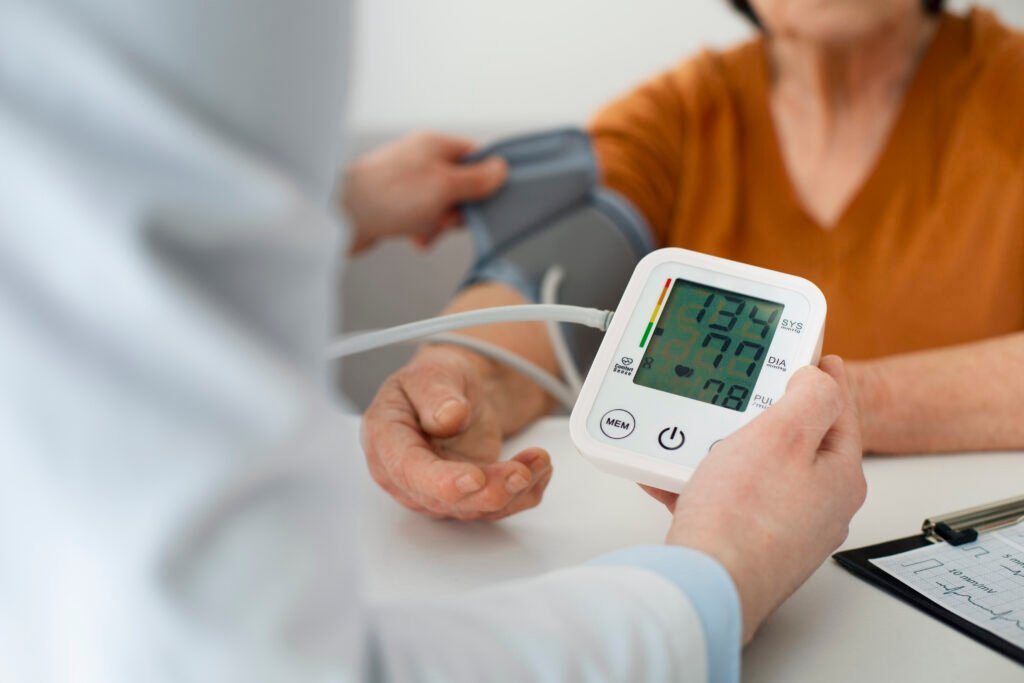
Hypertension occurs when the force of blood against the walls of your arteries is consistently too high. Blood pressure is measured in millimeters of mercury (mmHg) and recorded with two numbers:
- Systolic pressure (top number): pressure when your heart beats.
- Diastolic pressure (bottom number): pressure when your heart rests between beats.
A normal blood pressure reading is usually around 120/80 mmHg. Anything consistently above 130/80 mmHg is considered high.
Primary Hypertension (Essential Hypertension)
Primary hypertension is the most common type of high blood pressure, accounting for about 90–95% of all cases. It develops gradually over many years and usually has no single identifiable cause.
Causes and Risk Factors
While the exact reason for primary hypertension isn’t clear, several factors play a role:
- Genetics: A family history of high blood pressure increases your risk.
- Age: The risk rises as you get older.
- Unhealthy lifestyle habits: Poor diet, lack of exercise, smoking, and excessive alcohol use.
- Obesity: Carrying excess weight puts strain on the heart and arteries.
- Stress: Chronic stress can contribute to long-term elevated blood pressure.
Symptoms
Most people with primary hypertension don’t experience symptoms. In some cases, people may notice headaches, dizziness, or nosebleeds, but these usually occur only when blood pressure is dangerously high.
Treatment and Management
Since primary hypertension can’t be “cured,” treatment focuses on long-term management:
- Lifestyle changes: Eating a balanced diet, reducing salt intake, exercising regularly, and quitting smoking.
- Medications: Doctors may prescribe antihypertensive drugs such as diuretics, ACE inhibitors, beta-blockers, or calcium channel blockers.
- Monitoring: Regular check-ups and at-home blood pressure monitoring are essential.
Secondary Hypertension
Secondary hypertension is less common, making up about 5–10% of cases. Unlike primary hypertension, this type has a specific underlying cause. Once the cause is identified and treated, blood pressure often improves significantly—or even returns to normal.
Causes of Secondary Hypertension
Some common conditions and factors that lead to secondary hypertension include:
- Kidney disease: Chronic kidney disease or narrowing of the arteries supplying the kidneys.
- Hormonal disorders: Conditions like hyperthyroidism, Cushing’s syndrome, or primary aldosteronism.
- Sleep apnea: Interrupted breathing during sleep can raise blood pressure.
- Certain medications: Birth control pills, decongestants, pain relievers (NSAIDs), and steroids.
- Alcohol or drug use: Excessive alcohol intake or recreational drug use like cocaine.
Symptoms
Like primary hypertension, secondary hypertension often goes unnoticed. However, it may appear suddenly and cause higher readings than usual. Symptoms linked to the underlying condition may include:
- Swelling in legs or ankles (kidney-related)
- Excessive sweating or muscle weakness (hormonal disorders)
- Snoring and daytime fatigue (sleep apnea)
Treatment and Management
The key to treating secondary hypertension is identifying and addressing the root cause. For example:
- Treating kidney disease with medications or surgery.
- Adjusting hormone levels with appropriate therapies.
- Using a CPAP machine for sleep apnea.
- Changing or stopping medications that raise blood pressure.
In many cases, controlling the underlying condition significantly lowers blood pressure without the need for lifelong medications.
Conclusion
Hypertension is a major health issue, but understanding whether it is primary or secondary is the first step to effective treatment. Primary hypertension develops slowly and is managed with lifestyle changes and medicines, while secondary hypertension is caused by another condition and may be reversible.
If you have high blood pressure readings, don’t ignore them. Talk to your doctor, get the right tests done, and take proactive steps to protect your heart health.